.png)
Your Scar Healed, But You Still Notice It: How Scar Camouflage Can Help
Some scars stop hurting long before they stop bothering you.
Maybe it is the light line across your skin that shows up in photos. Maybe it is the contrast between your scar and your natural skin tone. Maybe it is a surgical scar, injury scar, stretch mark, or old mark that healed years ago, but somehow still becomes the first thing your eyes find in the mirror.
That part can be frustrating.
Because people may tell you, “It’s barely noticeable,” but you still notice it. You live with it. You see it when you get dressed, when you wear certain clothing, when you take pictures, or when you just want your skin to feel like yours again.

At Radiant Ink Studios in Torrance, scar camouflage is designed to help certain healed scars blend more naturally with the surrounding skin. It does not erase your scar, and it does not remove texture, but it can help soften color contrast so the scar looks less noticeable.
What Is Scar Camouflage?
Scar camouflage is a form of paramedical tattooing that uses custom pigment blending to help reduce the visible contrast between a healed scar and the surrounding skin.
Think of it like color correction for the skin.
Instead of covering the area with a decorative tattoo, scar camouflage works with your natural skin tone. The goal is to make the scar look softer, more blended, and less noticeable at a glance.
This can be helpful for certain:
Surgical scars
Injury scars
Stretch marks
Light or pale scars
Flat healed scars
Scars that stand out because of color difference
Scar tissue is different from untouched skin, so results vary from person to person. That is why scar camouflage is about improvement and blending, not pretending the scar was never there.
The goal is not “perfect skin.” The goal is skin that feels less interrupted.
Why Scars Can Still Affect You After They Heal
A healed scar can still carry a lot.
For some people, it is connected to surgery. For others, an accident, stretch marks, a burn, a medical procedure, or a life chapter they do not want staring back at them every day.
And sometimes the hardest part is not the scar itself. It is the way it interrupts how you feel in your body.
You may feel like you have to hide it.
You may avoid certain clothes.
You may feel uncomfortable in photos.
You may keep checking it in the mirror.
You may feel like your skin has a “before and after” you did not choose.

Scar camouflage gives some clients a way to soften that visual reminder.
Not with a magic wand. More like a tiny pigment ghostwriter, quietly helping the scar blend back into the page.
Scar Camouflage Does Not Remove the Scar, But It Can Reduce the Contrast
This part is important.
Scar camouflage does not flatten raised scars. It does not remove scar tissue. It does not make texture disappear.
What it can help with is color blending.
If your scar is lighter, whiter, or more noticeable because it does not match the surrounding skin, custom pigment can help soften that contrast. The goal is for the area to look less obvious when someone looks at your skin normally.
Raised scars, keloid-like scars, very red scars, painful scars, itchy scars, or scars that are still changing may need medical clearance before cosmetic tattooing. These types of scars may not be ready for camouflage because they can be more reactive, textured, or medically sensitive.
At Radiant Ink Studios, the scar must be assessed first so we can determine whether camouflage is a good fit.
Who Is a Good Candidate for Scar Camouflage?

Scar camouflage may be a good option if your scar is:
Fully healed
Flat or mostly flat
Lighter than the surrounding skin
Stable in color
Not actively changing
Not open, irritated, or inflamed
Not painful, itchy, or medically concerning
A good candidate is usually someone who understands that the goal is softening and blending, not perfection.
Because scar tissue can heal differently than normal skin, some clients may need more than one session to build the color gradually and safely.
Who May Not Be Ready Yet?
You may not be ready for scar camouflage if the scar is still new, pink, red, raised, itchy, painful, open, irritated, or changing.
You may also need to wait if the scar is from a recent surgery, injury, or procedure. Scars can continue changing as the skin heals and settles, so timing matters.
If your scar is raised, growing, painful, or keloid-like, it is best to speak with a medical professional before booking cosmetic tattooing. This protects your skin and helps you get the best long-term outcome.
Scar camouflage works best when the skin is calm, healed, and stable.
What Happens During a Scar Camouflage Appointment?
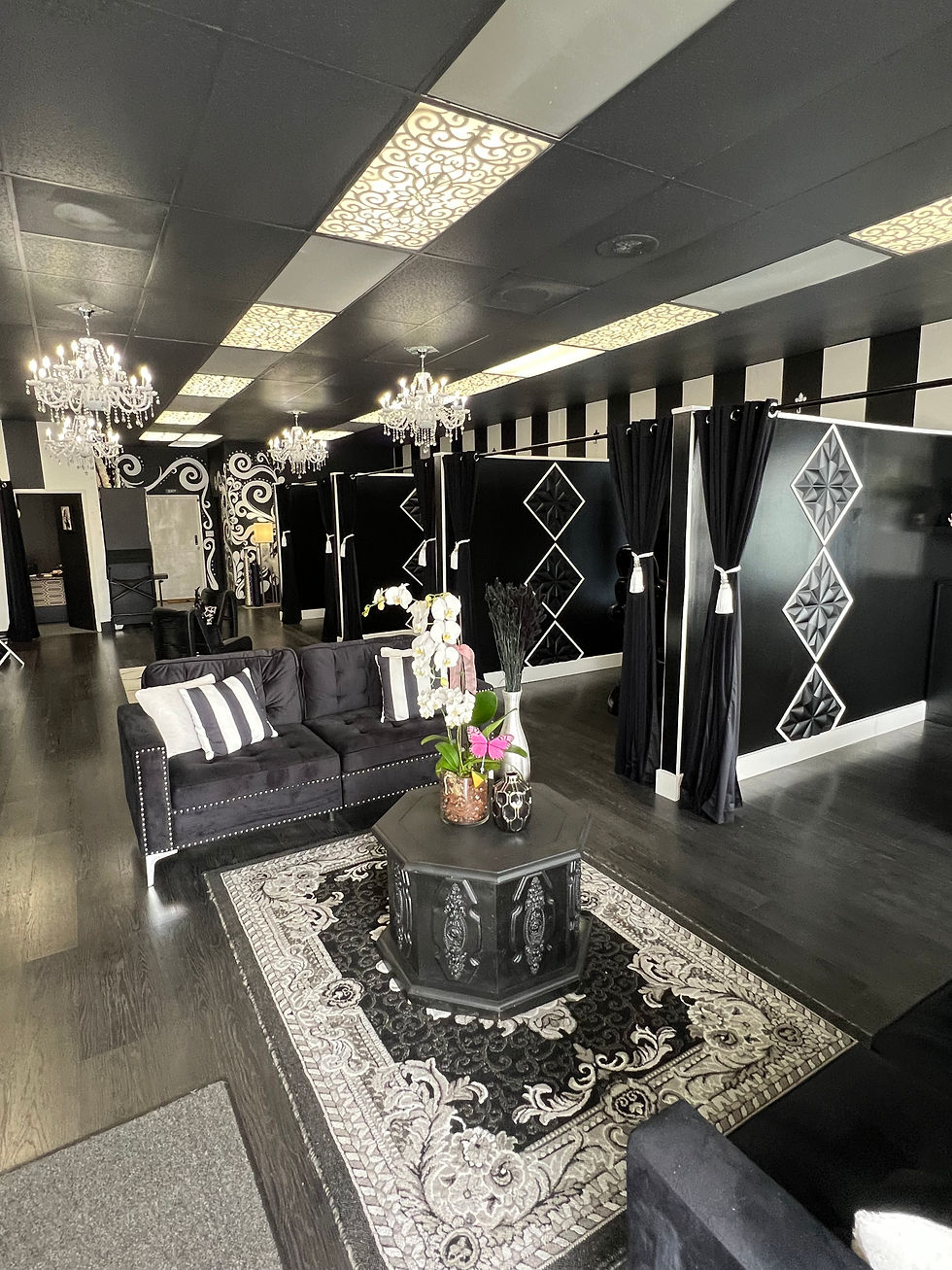
Every scar is different, so the process starts with looking at the area, your skin tone, the scar color, the texture, and your goals.
At Radiant Ink Studios, scar camouflage typically includes:
A skin and scar assessment
Custom pigment color matching
A careful application process
Aftercare instructions
Healing time before judging the final result
Possible touch-up sessions depending on how the scar heals
The pigment is chosen to blend with your surrounding skin, not to create a bold tattoo effect. This is delicate work. The goal is soft, natural, and believable.
What Does Healing Look Like?
Healing is a process, and the treated area may look darker or more intense before it softens.

During the first stage of healing, the skin may feel tender, dry, tight, itchy, or slightly swollen. Light scabbing or flaking can also happen. This is why aftercare is so important.
The color will not look fully settled right away.
Scar camouflage results need time to heal, soften, and blend. Many clients need to wait several weeks before seeing how the color truly healed in the skin. Some cases may need more than one session because scar tissue can hold pigment differently than normal skin.
So if the area looks too dark at first, do not panic. The little pigment goblin is simply going through its healing arc.
Final results should be judged only after the skin has had enough time to settle.
Is Scar Camouflage Safe?
Scar camouflage is a form of tattooing, so safety matters.
Because the skin is being tattooed, it is important to choose a trained professional who uses clean technique, proper sanitation, sterile tools, quality pigments, and clear aftercare instructions.
This is especially important with scar tissue because scarred skin can be more delicate and unpredictable than untouched skin.
At Radiant Ink Studios, scar camouflage is approached carefully, with attention to sanitation, skin readiness, color matching, and realistic expectations.
A clean studio is not just a nice bonus. It is the whole castle wall.
How Many Sessions Will I Need?
Many clients need more than one session, especially because scar tissue can hold pigment differently than normal skin.
Some scars absorb pigment quickly. Others need gradual layering. Some areas may heal lighter than expected. Others may need small adjustments after the first healed result.
This is normal.
The best scar camouflage results usually come from patience, not rushing. Your skin needs time to heal between sessions so the final color can be assessed properly.
Will Scar Camouflage Match My Skin Exactly?
The goal is to get the scar to blend more naturally, but an exact match in every lighting situation is not realistic.

Skin changes color depending on lighting, temperature, sun exposure, undertone, circulation, and body area. Scar tissue also behaves differently than normal skin.
A good result means the scar becomes less attention-grabbing. It should soften the contrast so your eye does not jump to it as quickly.
Why Clients Choose Scar Camouflage
Clients often look into scar camouflage because they are tired of feeling distracted by one area of skin.
They want to wear the outfit.
Take the photo.
Go to the beach.
Feel comfortable in intimate moments.
Stop checking the scar every time they pass a mirror.
Feel like their skin looks more even again.
Scar camouflage is not about being flawless. It is about helping your skin feel less interrupted.
Scar Camouflage in Torrance and the South Bay
Radiant Ink Studios offers scar camouflage in Torrance, CA, serving clients throughout the South Bay, Los Angeles, Redondo Beach, Manhattan Beach, Lomita, and surrounding areas.
If you have a healed scar that still feels too noticeable, scar camouflage may be an option to help soften the contrast and blend the area more naturally with your skin.
The best first step is to send a clear photo of the scar so we can see if it may be a good candidate.
Call or text Radiant Ink Studios at 424-224-6477 to ask about scar camouflage.
Ready to See If Scar Camouflage Is Right for You?
Your scar may be part of your story, but it does not have to be the first thing you notice.
If you have a healed scar, stretch mark, or light area of scar tissue that stands out against your natural skin tone, Radiant Ink Studios may be able to help soften its appearance with custom scar camouflage.
Text 424-224-6477 with a clear photo of the area to see if you may be a good candidate.


Comments